
Hi! I’m Silvia and today I’m gonna show you how you can transform the cutest hobby—crochet—into a truly profitable online business.
If you’re reading this, I’m guessing you love crocheting just as much as I do, and you’ve seen creators successfully running their own digital crochet brands. I totally get you. But more importantly, I’ve been in your shoes—and today, I’m proud to share that I’ve generated over 42,000 digital sales with my own crochet designs and from home! (and all while completing my science degree at university, which made time managment quite a challenge!).
Building a thriving business from your stitches is completely possible if you have the right strategy. So, let’s dive in!
Choosing the Right Crochet Business Model (Physical vs. Digital Patterns)
Before launching your shop or publishing your first pattern, you must decide how your business will actually generate income. In the crochet industry, there are three primary models:
Model A: Selling Finished Handmade Products
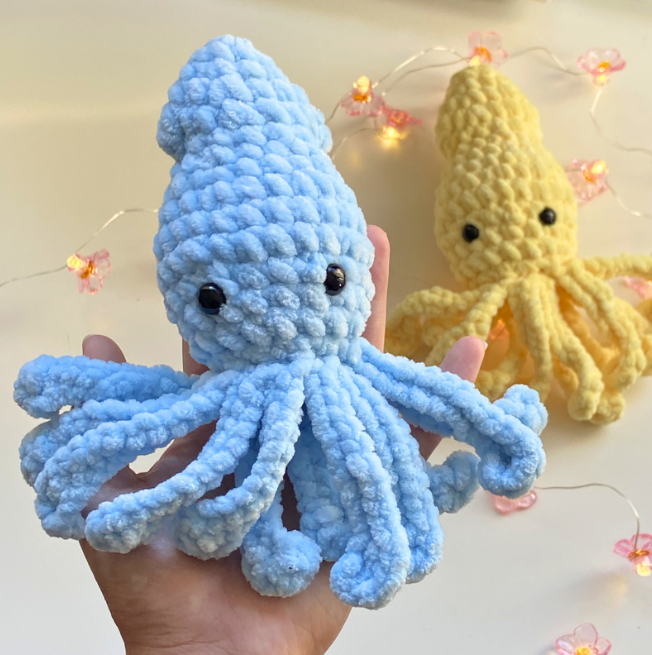
Crafting physical items—like plushies (amigurumi), flower bouquets, or accesories—and selling them through Etsy, local markets, or custom commisions.
Personally, I have never tried this business model because I definitely couldn’t handle making physical products to sell while studying for my university degree on Biology. Balancing the intense physical workload of crafting with full-time academic demands was simply impossible for my schedule.
However, for many fiber artists, it is their primary focus. Let’s look at the real pros and cons of this model:
- Pros: Immediate market demand, tangible customer satisfaction, and an easy starting point if you already love making finished pieces. Plus, packing your handmade crocheted items, adding your personal touch, aesthetic cards, and thank-you notes is definitely one of the most rewarding feelings as a creator!
- Cons: Highly time-intensive, with income capped by the physical hours you can spend holding a hook each day. Additionally, you face fierce price competition from mass-produced items and underpriced handmade sellers.
- The Shipping Reality (A Crucial Factor!): Location matters immensely in this model. If you are based in the US, shipping locally to the massive American market is relatively cheap and fast. However, if you live in Europe (like I do), international shipping rates and customs fees to buyers in the US or Canada can easily double the total cost for the customer. This often leads to high cart abandonment rates for physical items compared to instant, fee-free digital downloads.
Model B: Selling Digital Crochet Patterns (PDFs)
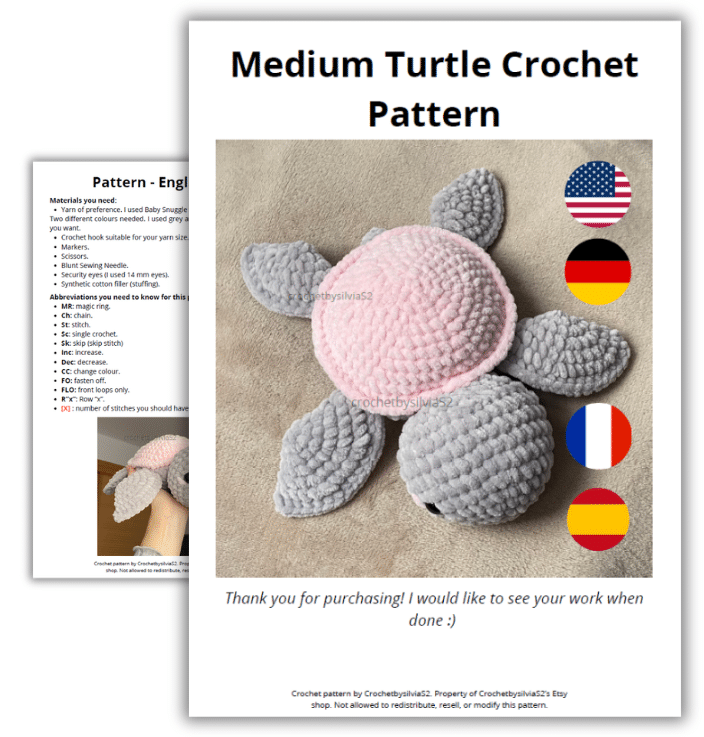
Designing original creations, writing step-by-step instructions with photography, and publishing downloadable PDF files.
This is the core business model I personally specialize in and love the most! Owning your original designs is an incredible feeling—especially when one of your creations goes viral on social media and drives thousands of sales to your shop. Let’s break down the realities of the digital path:
- Pros: Highly scalable passive income. You invest the time into designing and writing the pattern once, and you can sell thousands of copies globally with zero physical inventory, zero shipping fees, and instant delivery to the buyer. It allows you to build a true digital asset catalog that works for you 24/7, anywhere in the world.
- Cons & Creative Challenges: It requires additional technical skills beyond crocheting, including pattern writing, technical editing, graphic design layout, and bright, high-resolution photography. Furthermore, the design process itself can be mentally challenging: you often have to frogging (unravel) and re-make parts of an amigurumi multiple times until you are completely happy with the shape, or accept that a prototype needs to be scrapped entirely if it doesn’t meet your standard.
- The importance of Pattern Testing: Before launching a pattern to the public, you need to run it through a group of pattern testers (crochet community members who stitch your draft to check for typos, gauge, and clarity). Managing a test group takes time and organization, but it ensures your final PDF is error-free and earns 5-star reviews right from day one! Also, you can make tester calls on social media to get attention and testers.
- Global Accessibility: Unlike physical items, digital patterns have no geographic limits. A customer in Australia, Japan, or the US can purchase and download your pattern in seconds without worrying about international taxes or shipping delays.
- Language Leverage: Writing your patterns in English is essential—it instantly unlocks the largest and highest-spending markets in the world (US, Canada, UK, and Australia). But here is a game-changing tip: you can leverage AI tools to translate your English patterns into other major languages (like German, French, or Spanish). By offering multi-language PDF patterns, you instantly expand your global reach and increase your sales conversion rate with zero extra crafting time!
Where to Sell Your Digital Patterns: The Best Platforms
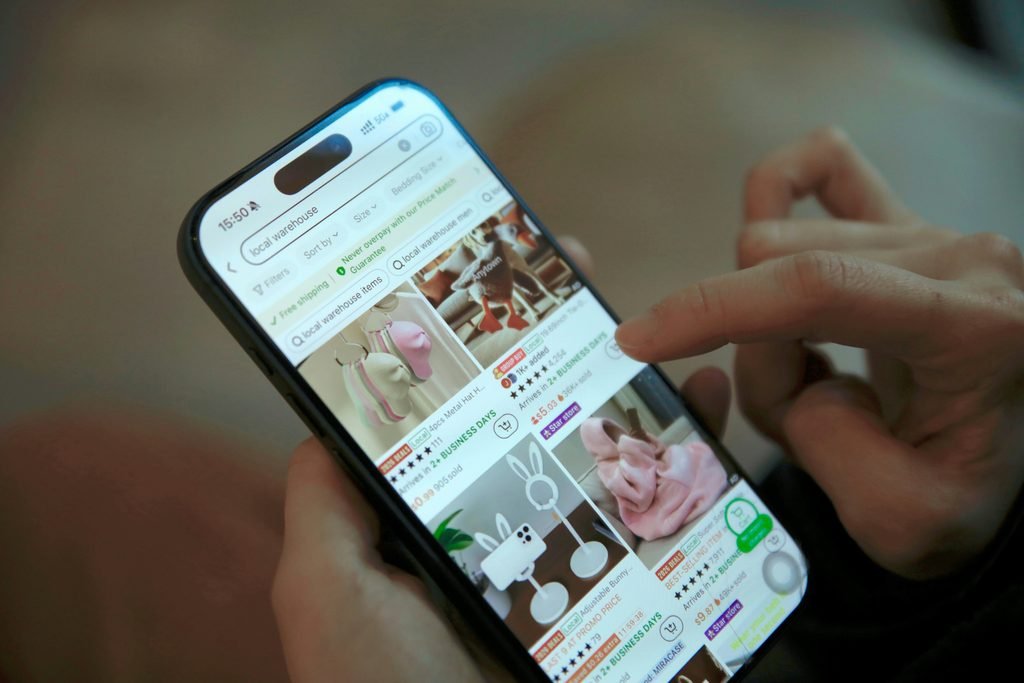
When it comes to selling digital PDF patterns, you don’t have to limit yourself to just one store. In fact, multi-channel selling is the secret to maximizing your income. Here are the top platforms to consider:
- Etsy (The Marketplace Heavyweight):
- Why it works: Etsy already has millions of active buyers searching daily for “crochet pattern”. It provides instant traffic and high trust without requiring you to build an audience from scratch.
- The Catch: High competition, listing fees, transaction fees, and offsite ads fees. You also don’t own the customer list. Furthermore, opening a new Etsy shop isn’t completely free anymore—Etsy now charges a one-time setup onboarding fee (around $15 USD) for new sellers to prevent spam accounts.
- Your Own Store (Shopify/Subdomain):
- Why it works: Total brand independence, zero listing fees, higher profit margins, and full control over your customer list. You can set up custom bundles (Buy 3, Get 1 Free), pop-ups to collect email addresses, and cross-sell related products.
- The Catch: You are responsible for driving 100% of the traffic yourself (which is why having a monetized blog and Pinterest strategy is crucial!).
- Payhip:
- Why it works: An incredibly simple, seller-friendly platform designed specifically for digital downloads. It automatically handles EU VAT taxes on digital goods (a huge headache solved for creators!), has zero monthly fees on the basic plan, and integrates seamlessly with your WordPress blog or social media links.
- The Catch: Like Shopify, Payhip is a store host, not a marketplace, so you must drive your own traffic to it.
- Ravelry:
- Why it works: The ultimate dedicated search engine and social network for knitters and crocheters worldwide. It has a massive, highly targeted audience that specifically seeks out PDF patterns and keeps track of projects.
Pro Tip: Start on Etsy and Payhip to establish your initial pattern catalog and get customer feedback. As your brand grows, direct your blog and social media traffic to your Shopify store to keep 100% of your customer relationship and maximize your profit margins!
Model C: The Hybrid Content Ecosystem
When I first started my crochet business, I focused entirely on selling my digital patterns on Etsy. While Etsy was an amazing launchpad that brought me thousands of sales, I eventually realized that relying solely on a third-party marketplace meant I didn’t fully own my brand or my audience. I wanted to build my own independent space on the internet—a self-hosted blog where I could share tutorials, monetize my traffic, and build a lasting community.
That is why I created my own blog (crochetbysilvia.com), and why I am currently building my strategy toward launching my direct Shopify store!
Instead of relying solely on selling physical products or digital PDFs, the Hybrid Content Ecosystem combines digital product sales with a monetized content platform. In this model, your website (blog) acts as the central engine that drives multiple income streams simultaneously.
This is the exact strategy I use and recommend for long-term business sustainability, as it builds true brand equity while generating both active and passive revenue.
How the Hybrid Model Works:
1. Free Content on the Blog: You publish free crochet tutorials, pattern roundups, yarn reviews, and step-by-step guides directly on your WordPress blog (as mine, crochetbysilvia.com).
2. Display Ad Monetization: As traffic grows from search engines and Pinterest, ad networks (such as Monumetric or Mediavine) place display ads on your blog posts. You earn passive income based on ad impressions and user engagement, meaning every single visitor generates revenue—even if they never buy a pattern.
3. Ad-Free PDF Upgrades: For readers who prefer a clean, printable, ad-free experience, you embed links within the free blog post pointing to the downloadable PDF version available on your Etsy, Payhip, or Shopify store.
4. Email List Capture: You offer exclusive freebies (like a mini amigurumi pattern PDF) in exchange for an email address, building an owned audience that you can launch new patterns and products to anytime.
Pros:
- Multiple Income Streams: You make money from display ads, digital PDF sales, affiliate links (like yarn or hook recommendations), and future shop launches.
- Maximum Conversion & Reach: Visitors who don’t have budget to buy a pattern still support your business by viewing ads on your blog, while motivated buyers purchase the ad-free PDF.
- Algorithmic Protection: If Etsy changes its algorithm or sales temporarily slow down, your blog’s ad revenue and email list provide a solid financial safety net.
- High Profit Margins: Content costs almost nothing to distribute digitally once written, leading to incredible scalability.
Cons & Operational Demands:
- Initial Investment for Hosting: Unlike free platforms like Blogger (which heavily restrict monetization, custom code, and top-tier ad networks like Monumetric, Raptive, etc), running a self-hosted WordPress site on a host like Hostinger requires a small recurring hosting fee. However, owning your domain and hosting gives you 100% control over your ad revenue and branding.
- Requires Consistency & Patience: Building organic blog traffic through SEO and Pinterest takes time, quality writing, and regular publishing before ad networks approve your site.
- Multi-Platform Management: You have to balance writing blog posts, optimizing for search engines, formatting PDF patterns, and managing your email list alongside designing.
Why this model wins: It turns casual readers into loyal community members and buyers. By providing value upfront through free blog tutorials, you build immediate trust while capturing revenue at every stage of the customer journey.
Once you’re chosen your model path, let’s think about WHAT you’re gonna sell.
Finding Your High-Profit Niche
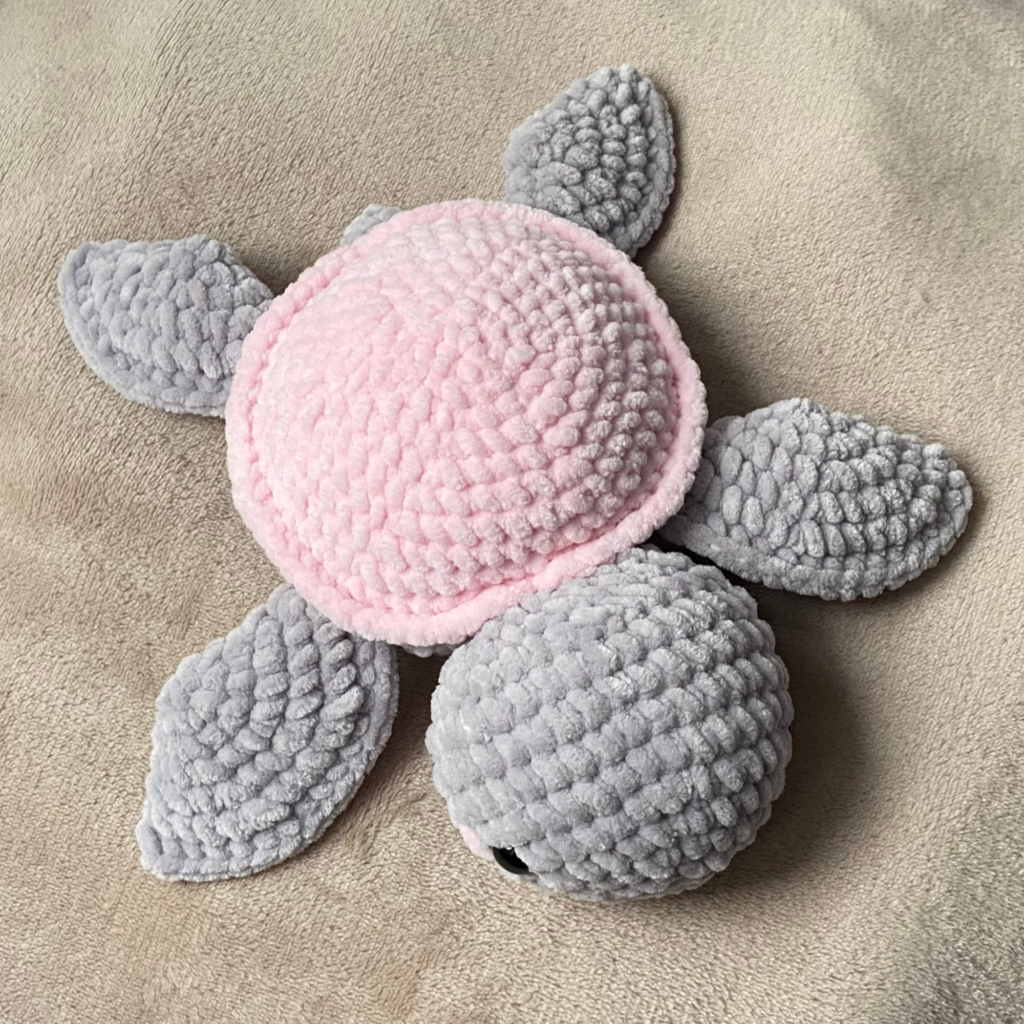
When I first started crocheting as a hobby, all I wanted to make were cute plushies (amigurumi). The funny thing? I didn’t even know how to make a magic ring! It was summer vacation, I had all the time in the world, and I was honestly a bit bored. I remember one day I thought “should I try learning crochet to make those viral crochet plushies I see on socials?”. So, I put all my daily motivation into learning. I spent hours watching YouTube video tutorials, unraveling yarn over and over, and within just a few days, I was actually crocheting my very first plushies! My very first finished amigurumi was an axolotl made with cotton yarn, and honestly it was the cutest axolotl.
Looking back, focusing purely on amigurumi from day one was the best decision I ever made for my business. Instead of trying to crochet everything under the sun, I found my specific passion immediately. If you’d like to see the kind of plushies and designs I create, you can check out my collection of amigurumi crochet patterns.
One of the biggest mistakes new creative entrepreneurs make is trying to cater to everyone. Opening a shop that sells adult sweaters, baby booties, dog bandanas, and complex blanket sets dilutes your brand identity and confuses potential buyers. To stand out and build a recognizable brand, you must curate a defined, high-profit niche.
Top-Performing Crochet Niches with High Demand:
1. Aesthetic & Minimalist Amigurumi (Plushies)
- Why it works: Quick-to-make plushies with clean lines, soft color palettes, and adorable expressions have massive viral potential on Pinterest, TikTok, and Instagram.
- The Business Edge: Projects that take under 1–2 hours to tejer have huge impulse-buy potential as digital PDF patterns, especially if they are “no-sew” or quick assembly.
2. Everlasting Botanical & Floral Art
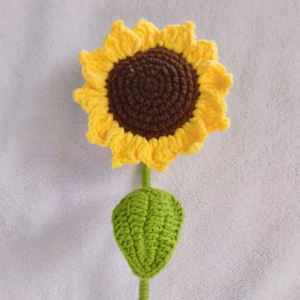
- Why it works: Crocheted flower bouquets (like sunflowers, roses, or daisies), potted succulents, and plant decor never wilt.
- The Business Edge: They serve as popular, long-lasting gifts for Mother’s Day, anniversaries, Valentine’s Day, and birthdays, giving you steady seasonal sales spikes throughout the year.
3. Modern Cozy Home & Desk Decor
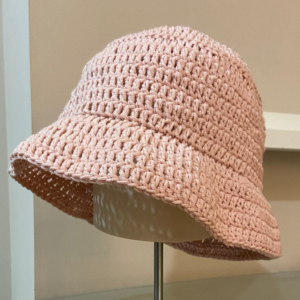
- Why it works: Textured coasters, placemats, aesthetic desk accessories, and bucket hats using quality cotton yarns.
- The Business Edge: These projects appeal to modern lifestyle audiences who want cozy, aesthetic handmade touches in their home decor.
How to Test If Your Niche Is Profitable:
- Visual Appeal: Does your niche look amazing in photos and short videos? (Crucial for Pinterest and Instagram!).
- Scalability: Can the patterns be clearly explained in a digital PDF format without overwhelming a beginner?
- Problem-Solving/Desire: Does it fulfill a clear desire, like making a fast gift, decorating a space, or offering a quick 30-minute stress-relief project?
Key Takeaway: You don’t need to be an expert in every area of crochet. Pick the sub-niche that genuinely excites you—whether that is amigurumi, floral art, or home decor—and become the go-to creator for that specific style.
Mastering Your Pricing Strategy: Marketplace Volume vs. Direct Profits
Pricing is where most crafters struggle. Underpricing causes burnout, while misaligned high prices stall marketplace search algorithms.
The High-Volume Marketplace Strategy (Etsy)
Pricing single digital patterns competitively between $1.50 and $2.50 USD lowers the friction to purchase. When thousands of buyers search for a quick project, a low entry price triggers spontaneous sales. This high conversion rate signals the marketplace algorithm to feature your shop on the first page, driving massive volume.
The High-Value Bundle Strategy (Shopify)
On your own website, focus on increasing Average Order Value (AOV). Offer curated pattern packs (e.g., “The Spring Flower Collection – 5 Patterns for $9.90”) or “Buy 3, Get 1 Free” promotions. Customers enjoy higher value, and you retain maximum profit margins without marketplace transaction fees.
Building Your Brand Infrastructure Beyond Marketplaces
Relying 100% on third-party platforms puts your business at risk. If an algorithm update lowers your visibility, your revenue can drop overnight. Sustainable brands build their own independent infrastructure:
- Your Blog/Website: Your digital home base. Publishing tutorials, pattern roundups, and yarn guides establishes your authority and generates ad revenue.
- Your Direct Store (Shopify): Gives you full control over customer relationships, branding, and upsells without competitor ads next to your products.
- Your Email List: Social media algorithms come and go, but an email inbox is direct communication. Offering a simple free pattern PDF in exchange for an email address is the best way to build a loyal customer base.
Driving Organic Traffic with Pinterest & Visual Search
Crochet is an inherently visual craft. You don’t need huge ad budgets or to record yourself on socials; you just need to leverage visual discovery engines:
- Optimize Vertical Pins (1000 x 1500 px): Create clean Canva graphics with bold text overlays stating a clear benefit (e.g., “10 Fast No-Sew Amigurumi Patterns for Beginners”). Don’t forget to link the pin to your post!
- Test Multiple Design Variations: Publish 3–5 different pin graphics for the same blog post to see which photos and headlines perform best (Pro tip: use Pinterest free business account, so you will be able to see your metrics).
- Short-Form Video Clips: Share quick 15-second clips of yarn stitches, assembly, or finished plushies on Instagram Reels, TikTok, and YouTube Shorts to direct viewers back to your website.
And I will be honest: Pinterest is your best ally. It drives TONS of organic traffic easily to your website and products without ads. And once your pins are uploaded, they are alive FOREVER.
Balancing Business, Life, and Creative Energy
When a hobby becomes a business, managing your time and physical health is paramount, especially if you’re balancing university (as I do), work, or family:
- Batch Your Tasks: Dedicate specific days to specific work. For example, use Mondays for photography, Tuesdays for writing patterns, and Wednesdays for blog posts and Pinterest pins.
- Protect Your Hands & Posture: Ergonomic hooks, good lighting, and regular stretching routines are non-negotiable investments for long-term health.
- Let Data Guide You: Regularly check your shop and blog analytics. Focus more time on the pattern styles and blog topics that bring the highest conversion rates.
Final Thoughts: Building Your Creative Brand
Turning your crochet hobby into a profitable online business isn’t an overnight trick, but a structured, highly rewarding journey. By combining quality designs, smart volume pricing, a monetized blog, and consistent visual marketing, you can build a business that is both creative and financially sustainable.
Start small, focus on one step at a time, and enjoy every single stitch along the way. You don’t need to be perfect, just consistent and creative.
By the way, you can take a look on my crochet patterns!
I really hope this complete guide helped you, or inspired you to create your next crochet business. Let me know in the comments your ideas or thoughts that you’d like to share! If you have any questions, I’ll be glad to help.
Thank you for being here, and happy crocheting.